Where should I send your free resources?
All four are free. Pop in your details and you’ll go straight to the downloads.
5-Step Downsizing Guide · Downsizing Discovery Worksheet · Sellers’ Checklist · Buyers’ Checklist
Explore your downsizing options with helpful checklists and worksheets. Fill in the short form below and you’ll go straight to all four free downloads ↓

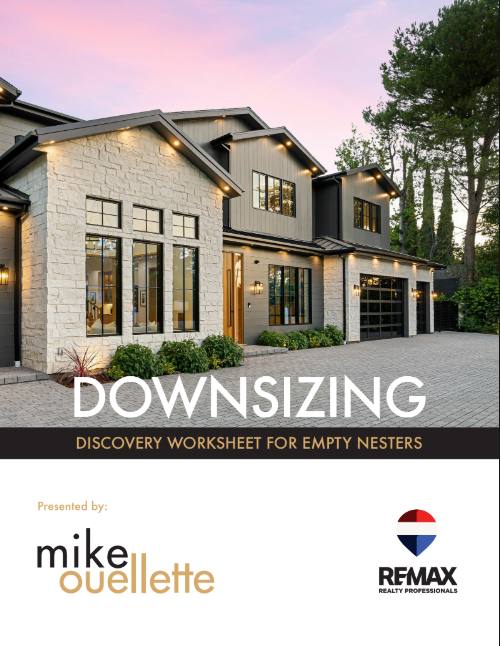


Some people do. If that’s you, maybe you just need to contract more things out, landscaping, snow removal and such, and just stay put.
If you’re not one of those, maybe it’s time to start looking at your options.
Today there seems to be as many options as there are desires. You may need to do some soul searching to decide what is most important to you.
Some of the things people consider are:
If you’ve considered downsizing, then it’s important to know that your first step would be to determine certain specifics like neighbourhood, style and budget.
You might ask yourself questions like:
There are some things that should be done, some that could be done, and some that shouldn’t be done. Knowing where to get the best return on improvements is key.

Yes, for better or worse, buyers do tend to judge a book by its cover. It’s important that your home makes a good first impression. When potential buyers drive up to your home, you want them to think, “Wow! I could live here!”
To make sure buyers want to see the inside of your home, make sure the outside is well-kept, tidy and inviting. It’s important to touch-up or completely repaint trim, keep the grass cut, edge along sidewalks and paths, maintain flowers and shrubs and keep the yard tidy. You never know when curious buyers will drive by.
If you’re not sure how to improve your home’s curb appeal, ask your Realtor for advice on how others in the area have improved the exterior before selling their houses.

Resist the urge to roll your eyes at this one. It is imperative that your home looks livable. Potential buyers may not be able to see past your clutter. Think of it this way—don’t move things you no longer want or need. Make decisions now and your house will sell faster and your move will be easier.
It’s no secret that getting started is the hardest part of decluttering. Take one room, or even part of one room, at a time and dive in. Recycle or shred paper. Donate books, toys, clothing and duplicate household items. If you’re getting frustrated and you can’t deal with one more stack of papers or shoebox of old photos, put them in a plastic bin, label the bin and stack it somewhere out of the way for the time being.
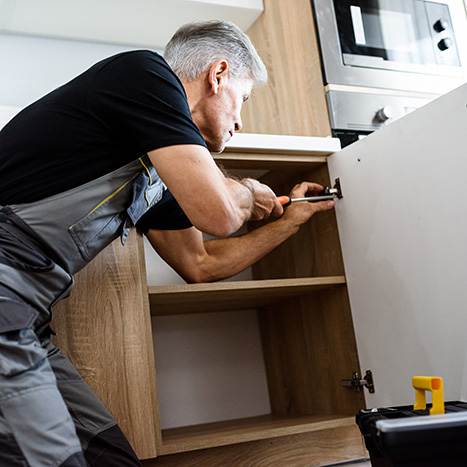
Now is the time to fix all of those nagging things that you just lived with. Inside the house, look for things like stained ceilings, missing tile, broken windows and doors, heavily scratched floors and other signs of neglect. Outside, look for broken or missing shingles, patio pavers and flaking paint. If you have a deck, check for cracks or rot in the boards and loose railings.
Every homeowner has at least a couple ongoing projects that never seem to get finished. Now is the time to finish them.
Make a list of everything you see and then decide which things you’re going to tackle. A Realtor can be very helpful in determining what needs to be done and what doesn’t.

No sense hanging onto things that aren’t making the move. This is one of the harder, more emotional parts. Downsizing means getting rid of a lot of things that you have acquired over the years.
Start by making broad categories. Stuff for the dump, items of historical or family importance, items that can be donated, recycled or re-purposed, items you may want your children to have. Then pack up things you don’t use on a daily basis and put them in storage or ask a friend to hold onto them.

If you decide to do some interior painting, stick to neutral colours. You’ve heard it before, but it’s the truth. Neutrals don’t distract and they allow potential buyers to imagine their things in your home. For help on painting, ask your Realtor to recommend a stager or designer to help with colour choice.

If your lamps and other light fixtures are outdated, consider replacing them with modern ones. Buyers don’t want to feel like they’re taking a step back in time with outdated fixtures. This is an easy fix that will help sell your home. Also consider replacing older light bulbs with newer, LED bulbs. Brighter is better.

Cleanliness implies a home has been well taken care of, so deep cleaning can win points with buyers. Buyers scrutinize homes, especially kitchens and bathrooms. Re-caulk and repaint to give these grime-prone rooms a fresh and clean look. Clean rugs and carpets to eliminate unsightly stains or dinginess and eliminate odours. Tidy each room, including cabinets, closets and the garage, before showing. And if it seems daunting to do all that cleaning yourself, consider hiring a professional cleaning company to take care of all of it for you.

This can be a huge and costly mistake. If your carpets are older, or there have ever been pets in the home, steam cleaning can re-activate any old pet odours and leave your home smelling like a wet dog or worse.
There is another process, Chem Drying, that cleans very well and doesn’t risk creating a terrible smell.

Staging is not decorating. There is likely nothing wrong with your decorating. In fact, you may have had numerous family members or friends compliment you on your home.
Staging is more like dressing a movie set. Sight lines are created to draw your eye either to or away from certain features. Again, buyers have to be able to imagine themselves in your home, rather than feeling like they are visiting you in your home.
Stagers know the real estate market, and what sells, so it’s important to take their advice and not take offence when they make suggestions. Their job is to help showcase your home to potential buyers.

Find a Realtor to help guide you on this journey. Downsizing is an emotional event and one you will need help with. Your Realtor should be someone you feel comfortable working with, whom you trust to sell your home for top dollar. Someone that is familiar with the homes, values and benefits of your neighbourhood.
Your Realtor should also be able to supply you with names and contact information for other professionals to help out. Stagers, painters, handymen, flooring people, electricians, plumbers and so on. They should have a list of these contacts that they have previously used and are confident in referring them to you.